


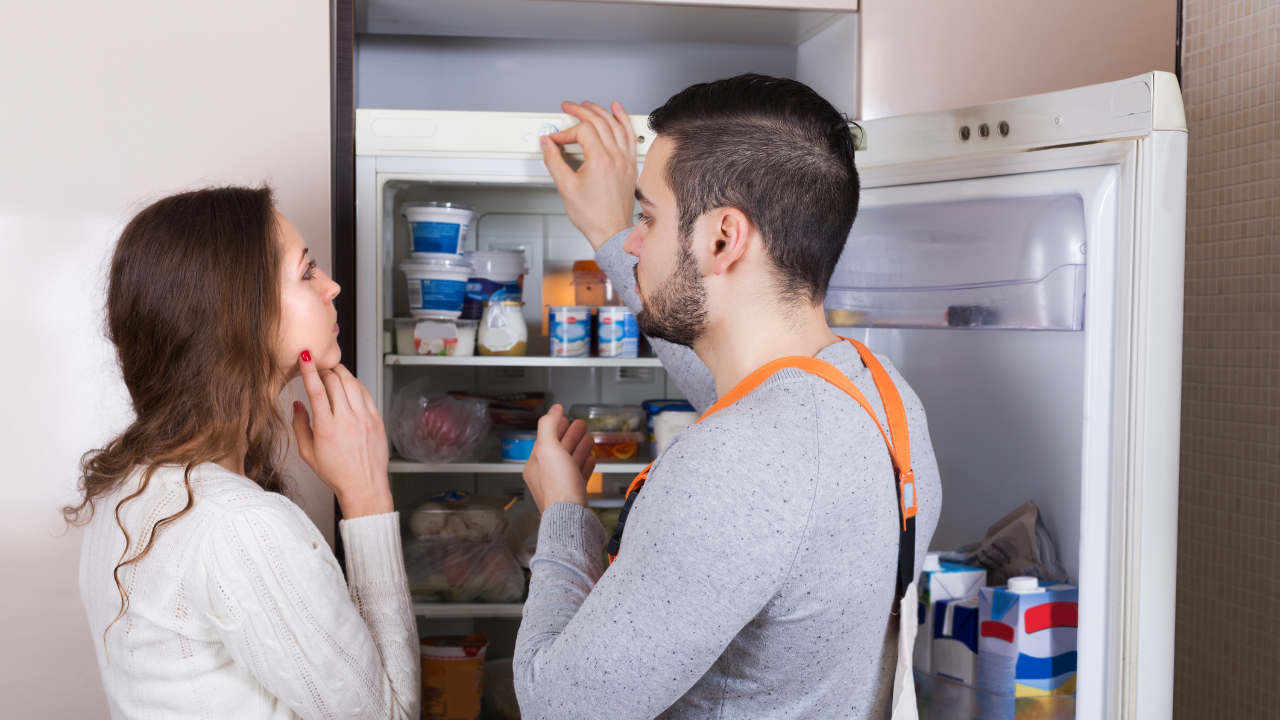
Modern households depend heavily on appliances for daily comfort and efficiency. From refrigerators preserving food to ovens preparing meals, these systems play a critical role in maintaining routine. However, appliance breakdowns are inevitable, especially in a city like Atlanta, where climate conditions and aging homes can contribute to wear and tear.
Knowing the most common appliance issues can help homeowners respond quickly, minimize repair costs, and extend appliance lifespan. In many cases, it’s time to use a company that specializes in appliance repair in Atlanta to ensure problems are handled efficiently and safely. This guide explores the most frequent issues homeowners face and how to deal with them effectively.
Key Takeaways
- Most appliance issues are predictable and preventable with maintenance
- Refrigerators, ovens, washers, and dryers are the most commonly repaired appliances
- Atlanta’s heat and humidity can accelerate appliance wear
- Early troubleshooting can reduce repair costs
- Professional repair is essential for complex or safety-related issues
1. Refrigerator Not Cooling Properly
A refrigerator that fails to maintain the correct temperature is one of the most urgent appliance issues. This can lead to food spoilage and health risks.
Common causes include clogged condenser coils, faulty thermostats, or compressor problems. In Atlanta, high summer temperatures can put extra strain on refrigerators, increasing the likelihood of cooling issues.
Basic troubleshooting involves cleaning the coils and checking temperature settings. However, if the issue persists, professional diagnosis is necessary.
How to fix- Start by unplugging the refrigerator and cleaning the condenser coils using a brush or vacuum. Check that the temperature is set correctly (usually 37–40°F / 3–4°C). Ensure the door seals are tight and not leaking cold air. If the fridge still doesn’t cool, the thermostat or compressor may need professional repair.
2. Oven Not Heating or Reaching Temperature
Oven problems are among the most frequent service calls in Atlanta. Many homeowners report ovens that won’t turn on, fail to heat, or cannot maintain consistent temperatures.
These issues are typically caused by-
- Faulty heating elements
- Malfunctioning igniters (in gas ovens)
- Defective thermostats
Since ovens involve electrical or gas components, repairs should be handled carefully to avoid safety risks.
How to fix- Check if the oven is receiving power and that the circuit breaker hasn’t tripped. For electric ovens, inspect the heating element for visible damage or burns. In gas ovens, listen for the igniter clicking, if absent, it may need replacement. If temperature inconsistency continues, recalibrating or replacing the thermostat is best handled by a technician.
3. Washing Machine Not Spinning or Draining
A malfunctioning washer can quickly disrupt household routines. The most common problems include failure to spin, improper draining, or leaks.
Typical causes include worn belts, clogged drain pumps, or lid switch failures.
In some cases, clearing a blockage or redistributing laundry can fix the issue. However, internal component failures require professional repair.
How to fix- First, check if the load is balanced, as uneven laundry can stop spinning. Clean the drain filter and inspect the hose for clogs. Ensure the lid switch is functioning properly. If the washer still won’t spin or drain, the belt or pump may need replacement by a professional.
4. Dryer Not Heating Efficiently
Dryers that run but fail to dry clothes properly are a common complaint. This issue is often linked to clogged vents, faulty heating elements, or airflow restrictions.
Lint buildup is a major contributing factor and can even pose a fire hazard if ignored. Regular vent cleaning is a simple yet effective preventive measure.
How to fix- Clean the lint filter and check the vent hose for blockages or bends restricting airflow. Ensure the exhaust vent outside is clear. If the dryer still doesn’t heat, the heating element or thermal fuse may need to be replaced, which typically requires professional servicing.
5. Dishwasher Not Cleaning or Draining
Dishwashers often develop issues such as poor cleaning performance, standing water, or unusual noises.
The most common reasons include clogged filters, blocked drain hoses, or pump malfunctions.
Routine cleaning and proper loading techniques can prevent many of these problems.
How to fix- Remove and clean the filter at the bottom of the dishwasher. Check spray arms for blockages and ensure they can rotate freely. Inspect the drain hose for clogs. Running a cleaning cycle with vinegar or a dishwasher cleaner can also improve performance. Persistent drainage issues may require pump repair.
Why Appliance Issues Are Common in Atlanta?
Several local factors contribute to higher appliance repair needs, making regular maintenance especially important for homeowners in the area.
Climate Conditions
Atlanta’s hot and humid climate puts additional strain on household appliances. High temperatures can force appliances like ovens and refrigerators to work harder to maintain internal conditions, while humidity can affect electrical components and lead to faster wear. Over time, this constant stress reduces efficiency and increases the likelihood of malfunctions.
Aging Homes
Many homes in Atlanta, particularly in established neighborhoods, were built years ago and may still rely on older electrical systems or outdated ventilation setups. These limitations can impact how efficiently modern appliances operate. Inconsistent power supply, poor airflow, or aging infrastructure can all contribute to frequent appliance issues.
Frequent Usage
Busy households often depend heavily on their kitchen and home appliances for daily routines. From cooking multiple meals to running appliances continuously, increased usage naturally leads to faster wear and tear. Without regular upkeep, this heavy demand can shorten appliance lifespan and increase the need for repairs.
Preventive Maintenance Tips
Preventive care can significantly reduce the frequency of repairs and keep your appliances performing efficiently over time. Since appliance repair in Atlanta can sometimes be costly, following simple maintenance practices can help you avoid unnecessary expenses and extend the lifespan of your appliances.
- Cleaning appliance components regularly to prevent grease, dust, and residue buildup that can affect performance
- Checking filters and vents to ensure proper airflow and avoid overheating or inefficiency
- Avoiding overloading machines, as excessive strain can damage internal components and reduce lifespan
- Scheduling periodic inspections to catch hidden issues that may not be visible during daily use
In addition to these basic practices, it’s helpful to follow manufacturer guidelines for usage and maintenance. Using the right settings, cleaning products, and accessories can prevent unnecessary wear. Paying attention to small changes, like unusual noises, longer operation times, or reduced efficiency, can also help you act early.
Repair vs Replacement- What to Consider?
Not every appliance malfunction means you need a replacement. In many situations, repairing the appliance is the more practical and cost-effective solution, especially if it is relatively new or has been well maintained.
However, making the right decision requires looking beyond just the immediate issue. Several factors should be considered before choosing between repair and replacement.
- Age of the appliance- Appliances closer to the end of their expected lifespan are more likely to experience repeated issues. Investing in repairs for very old units may only provide short-term relief
- Frequency of breakdowns- If the same appliance requires frequent repairs, the cumulative cost and inconvenience may outweigh the benefit of keeping it
- Energy efficiency- Older appliances tend to consume more energy. Replacing them with newer, energy-efficient models can reduce long-term utility costs
- Availability of parts- For older or discontinued models, replacement parts may be difficult or expensive to source, making repairs less practical
- Performance consistency- If the appliance no longer performs reliably even after repairs, replacement is often the better long-term option
General lifespan estimates can help guide your decision-
- Refrigerators- 9–13 years
- Washers- 5–15 years
- Dryers- around 13 years
A commonly used rule is that if repair costs exceed about half the price of a new appliance, replacement may be the smarter investment. However, this should also be balanced with factors like energy savings, reliability, and future maintenance needs.
When to Call a Professional?
While basic troubleshooting can resolve minor issues, there are situations where professional repair is the safest and most effective option. Attempting to fix complex problems without the right expertise can lead to further damage, higher costs, or even safety risks.
- The appliance stops working completely- If there is no response despite proper power or gas supply, the issue is likely internal and requires expert diagnosis
- Electrical or gas components are involved- Problems related to wiring, circuits, or gas lines should never be handled without proper training due to safety hazards
- Problems persist after basic fixes- If cleaning, resetting, or minor adjustments don’t resolve the issue, it indicates a deeper underlying problem
- There are safety concerns like sparks or gas smells- These are serious warning signs that require immediate professional attention to prevent accidents
In addition to these scenarios, frequent breakdowns or inconsistent performance are also indicators that expert help may be needed. What may seem like separate minor issues could actually be symptoms of a larger internal fault.
Conclusion
Appliance repair is an essential part of home maintenance, especially in a city like Atlanta where environmental factors and daily usage put extra pressure on household systems. By understanding the most common appliance issues and addressing them early, homeowners can avoid costly breakdowns and extend the life of their appliances.
Whether it’s a refrigerator not cooling or a dryer not heating, timely action and proper maintenance make all the difference. Staying informed empowers homeowners to make better decisions and maintain a smoothly running home.
FAQs
What is the most common appliance repair issue in Atlanta?
Refrigerator cooling problems and oven heating issues are among the most frequently reported. These appliances are used daily, so even minor component failures, like faulty thermostats or worn-out heating elements, can quickly become noticeable and disruptive.
Can I fix appliance problems myself?
Basic troubleshooting like cleaning, checking the power supply, or resetting the appliance is possible for many minor issues. However, complex repairs involving electrical systems, gas connections, or internal components should always be handled by professionals to ensure safety and proper functioning.
How often should appliances be serviced?
Annual maintenance is generally recommended for most household appliances. For heavily used appliances like refrigerators, washers, and ovens, more frequent inspections can help identify early signs of wear and prevent unexpected breakdowns.
Why do appliances fail more in hot climates?
Heat and humidity can strain appliance components, especially cooling systems and electrical parts. Over time, this added stress can lead to faster wear, reduced efficiency, and a higher likelihood of breakdowns compared to cooler environments.Bottom of Form